Introduction
The debate about glass vs. plastic for food storage is ongoing, with passionate arguments on both sides.
Many ask, “Is it better to store food in glass or plastic?“
Here are a few points to consider:
- Safety: Glass containers are often deemed safer, as they do not leach chemicals into food.
- Durability: While glass may break more easily, it generally lasts longer and withstands higher temperatures.
- Cost and Convenience: Plastic containers are lightweight and typically less expensive.

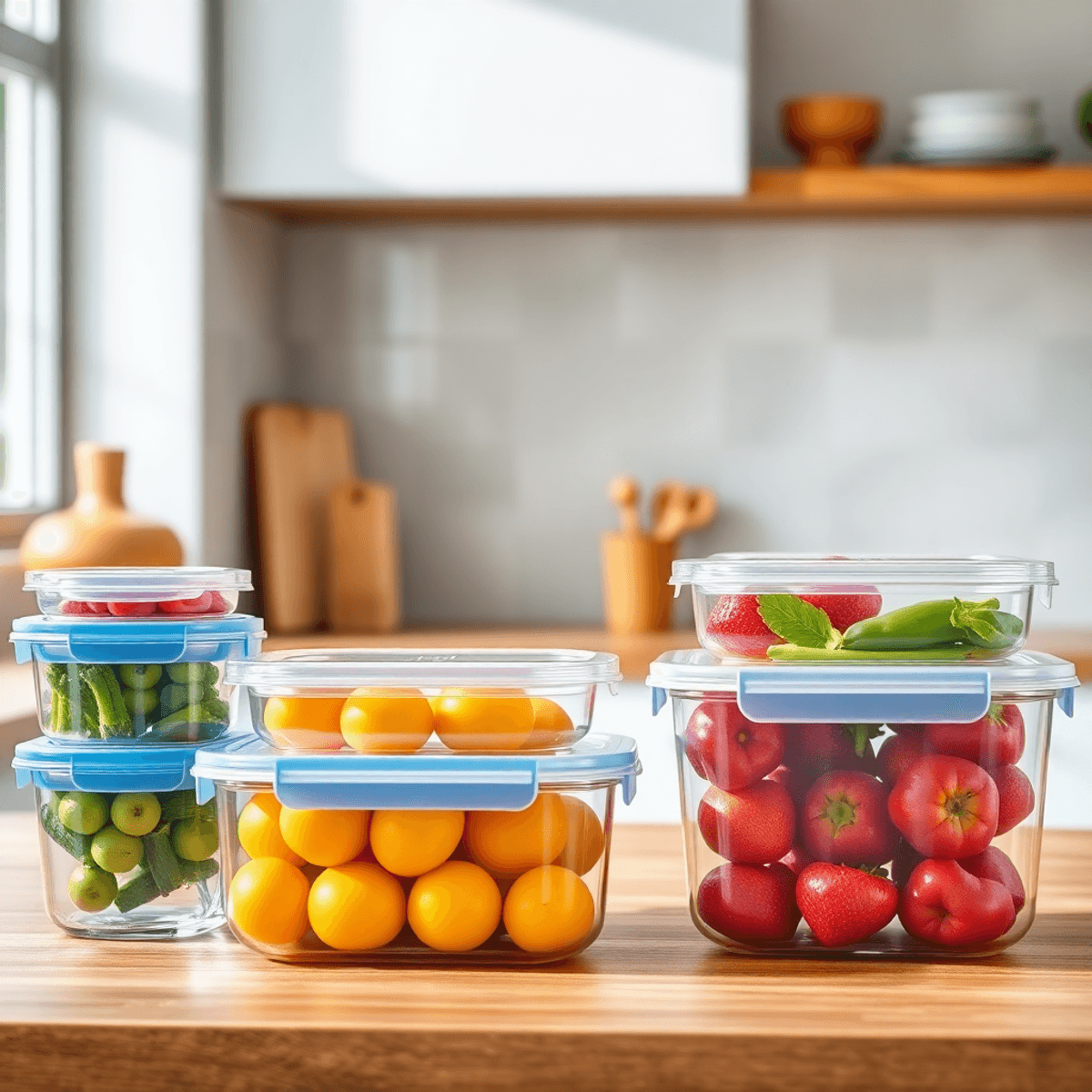
- 【Set of 8 Glass Storage Containers】Rectangle (35.1OZ)+(21.6OZ)+(12.5OZ)+(5OZ); Square (27.1OZ)+(17.6OZ)+(10.8OZ)+(6.8OZ); large and small containers are versatile for different use: meal prep food, leftover, sauce, lunch to go, RV, picnic, camping.
- 【Glass Containers Safe for Oven/ Microwave/ Freezer/ Dishwasher】Vtopmart Meal Prep Container is able to withstand -4℉ to 752℉ (-20℃ – 400℃), the glass containers is made of high-quality borosilicate glass to hold up very well from refrigerator direct to microwave.
- 【100% Leak Proof Airtight Lid】Glass food containers is designed with removable silicone seals and 4-hinge snap locks to ensure zero leaking or spilling, which also prevent smell go out and keep food fresh.
- 【BPA Free and Food Grade Material】The glass food containers is 100% BPA Free, crystal-clear glass making it easy to see what’s inside. Stains-resistant material for easy cleaning and keep glass containers looks like new.
- 【Stackable Storage to Save Space】The durable food storage containers stack into each other for easier storing when you don’t use them, which fit neatly in kitchen cabinets.
Last update on 2026-10-24 / Affiliate links / Images from Amazon Product Advertising API
Understanding the advantages and disadvantages of each material can lead to a more informed choice tailored to your specific needs.
Whether you’re pondering whether it’s better to store fruit in glass or plastic or considering how to store flour effectively, being aware of the implications of your choice is essential for safe food storage.
Understanding Food Storage Containers
Food storage containers are essential items designed to keep food fresh and safe for consumption.
They come in various shapes, sizes, and materials, catering to the diverse needs of kitchens worldwide.
Types of Food Storage Containers
- Glass Containers: Typically made from tempered glass, these containers are known for their durability and non-reactive properties.
- Plastic Containers: These lightweight options can be found in numerous designs, often featuring compartments for meal prep.
Common Uses
- Glass Containers are ideal for storing leftovers, marinating foods, or baking. Their ability to withstand high temperatures makes them suitable for oven use.
- Plastic Containers: Perfect for lunch boxes, picnics, or snacks on the go. Their versatility allows them to accommodate various foods without worrying about breaking during transport.
Both glass and plastic containers play crucial roles in food preservation.
Each has unique benefits that cater to different cooking styles and lifestyles.
Understanding these types helps consumers make informed choices tailored to their specific food storage needs.
Pros and Cons of Glass Food Storage Containers
When it comes to food storage, glass containers offer several notable benefits:
Advantages of Glass Containers
- Non-reactivity and Safety Features: Glass is an inert material that won’t react with food. This property ensures no harmful chemicals leach into your meals, preserving taste and quality.
- Durability and Temperature Resistance: Glass containers are robust and can withstand high temperatures, making them safe for use in microwaves and ovens. Unlike plastic, they won’t warp or degrade over time when exposed to heat.
- Aesthetic Appeal and Odor Absorption: Many people find glass containers visually appealing. They do not absorb odors or stains from food, maintaining a clean appearance for longer periods. This makes them ideal for storing various dishes without worrying about lingering smells.
- Environmental Impact and Recyclability: Glass is fully recyclable and can be reused indefinitely without losing quality. This makes it a more sustainable option than plastic, which often has limited recycling potential and can contribute to environmental waste.
Disadvantages of Glass Containers
While glass containers come with numerous advantages, they may also have some drawbacks:
- Weight and Fragility: Glass containers are heavier than their plastic counterparts, making them less convenient for carrying or transporting meals. Additionally, glass is more prone to breakage if dropped or mishandled.
- Cost Considerations: Glass containers are generally more expensive than plastic ones. While the initial investment may be higher, consider glass’s long-term benefits and durability.
Understanding these pros and cons can guide you toward making the best choice for your food storage needs.
Pros and Cons of Plastic Food Storage Containers
Plastic containers offer a range of benefits that can be quite appealing for food storage:
- Lightweight and Convenience: Plastic is significantly lighter than glass, making it easier to carry, stack, and store. This feature is particularly useful for packing lunches or transporting meals to picnics and potlucks.
- Cost-Effectiveness: Plastic containers are generally more affordable than their glass counterparts. This budget-friendly aspect allows you to invest in various sizes and designs without breaking the bank.
- Variety in Design: The flexibility of plastic materials means containers come in numerous shapes, colors, and sizes. Many are designed with compartments or lids that create a snug fit, catering to different meal prep needs and portion control strategies.
Despite these advantages, there are some notable drawbacks:
- Chemical Leaching: Certain types of plastics may contain harmful substances like BPA (Bisphenol A) or phthalates. When exposed to heat or acidic foods, these chemicals can leach into the food, raising health concerns.
- Odor Absorption: Plastic can absorb odors and stains from food over time, which may affect the flavor of stored items. This is especially true for strong-smelling foods like garlic or onions.
The choice between glass and plastic often comes down to weighing these pros and cons based on personal needs.
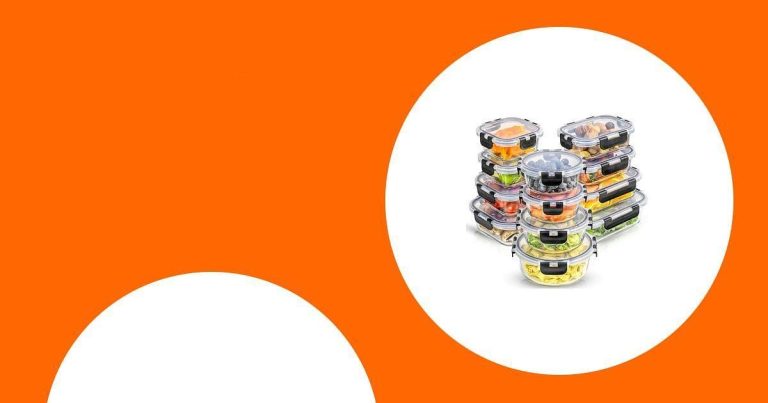
- VERSATILE GLASS FOOD STORAGE CONTAINERS WITH LIDS: Prep, stash, stack, store, and more with this glass meal prep container set! BPA-free and going from freezer to oven without breaking, these glass containers handle it all. With a variety of shapes and sizes, say hello to healthier meal prep.
- 12 SIZES FOR EVERY NEED: Our airtight food storage containers with lids set includes 4 rectangle containers 35oz (8x6in), 21oz (6.75x5in), 12oz (two 4.2×5.5in). 4 square containers 27oz (6in), 17.5oz (5.2in), 11oz (two 4.3in). 4 round containers 32oz (6.75in). 21oz (5.9in), 13.5oz (two 5.2in). Height ranges from 1.75-2.3 inches.
- TEMPERATURE SAFE FOOD CONTAINERS: Made from borosilicate glass (aka, space shuttle glass), these containers are durable and robust. Fridge, freezer, dishwasher, oven, and microwave safe containers, they’re the ultimate multi-taskers for busy lives. *Lids are handwash only.
- AIRTIGHT FRESHNESS: These airtight containers feature a removable silicone seal and secure hinge clips, so you can use them as a food container without odors or air getting in or out! They’re also leakproof glass lunch containers, so fill them as soup containers in your lunch bag without fear!
- UNBOX KITCHEN BLISS: JoyJolt’s glass tupperware with lids arrives securely packaged in a gift box, ready to transform any kitchen. Like all JoyJolt Glassware, it’s backed by a limited 1-year warranty, so you can prep lunch, organize, store leftover, and enjoy with confidence. Shop today!
Last update on 2026-10-24 / Affiliate links / Images from Amazon Product Advertising API
Health Implications of Food Storage Materials
Regarding food storage, certain materials can pose health risks due to the chemicals they contain.
Common culprits include:
- BPA (Bisphenol A): Found in many plastics, BPA is known for its potential to leach into food, especially when exposed to heat. Studies suggest that prolonged exposure may lead to hormonal imbalances and other health issues.
- Phthalates: These are used to make plastics more flexible and harder to break. Like BPA, phthalates can migrate into food and beverages, raising concerns about their role as endocrine disruptors. Research indicates possible links to autoimmune diseases and reproductive health issues.
The Centers for Disease Control and Prevention (CDC) emphasizes the importance of choosing safer materials for food storage.
Recommendations include:
- Opting for BPA-free products.
- Utilizing containers that are labeled as “safe for food use.”
- Avoid heating plastic containers in microwaves or dishwashers unless specified as microwave-safe.
Being informed about these substances aids in making conscious choices regarding food storage materials, contributing to better health outcomes.
Specific Foods: Glass vs. Plastic Storage Recommendations
When it comes to storing specific foods, the choice of container material can significantly impact quality and longevity.
Storing Honey
- Glass is preferable for storing honey due to its non-reactive properties. Honey is hygroscopic, meaning it can absorb moisture from the air, which may lead to fermentation.
- Airtight glass jars prevent moisture exposure, preserving honey’s natural flavor and texture. It’s often debated, “Is it better to store honey in glass or plastic?” The answer leans heavily toward glass for maintaining honey’s integrity.
Storing Fruits
- For fruits, maintaining freshness is crucial.
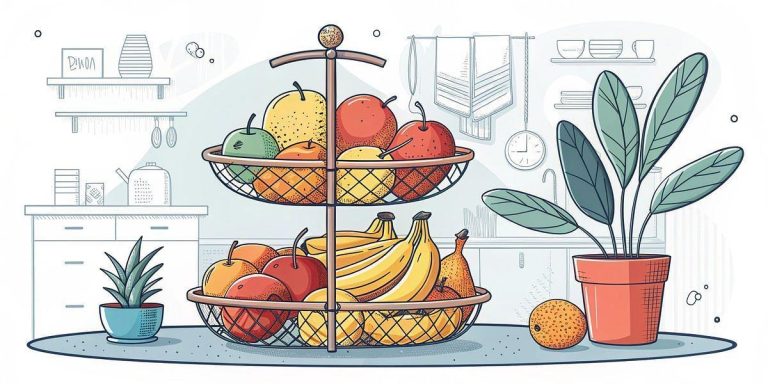
- Breathable packaging like wax paper wraps or mesh bags helps prevent spoilage while allowing airflow. This method keeps fruits like apples and tomatoes fresh longer.
- Plastic containers can be convenient but may trap moisture if sealed too tightly, causing mold growth.
Storing Flour
- While both glass and plastic containers are options for flour storage, glass provides an airtight seal that prevents pests and maintains freshness.
- Use a glass jar with a tight-fitting lid to keep flour dry and free from contaminants.
Choosing the right storage materials based on the type of food preserves the quality and enhances overall safety in your kitchen.
Meal Prep Considerations: Choosing the Right Container Material
Selecting suitable containers is key to enhancing meal prep efficiency.
When deciding between glass and plastic, consider the following factors:
1. Portion Control
Glass containers often come in various sizes, making it easy to store different meal portions.
They allow for clear visibility of contents, helping you manage portions effectively during meal prep.
2. Batch Cooking
Preparing larger quantities of meals can lead to leftovers, but glass containers are ideal for storing these without the risk of chemical leaching during reheating.
Their durability ensures they withstand multiple uses without losing shape or quality.
This is particularly useful for meal prepping, a practice known to save time and promote healthier eating habits, as highlighted in this article on the benefits of meal prep.
3. Space Efficiency
Plastic containers are lightweight and stackable, optimizing storage space in your kitchen.
However, ensure they fit well in your fridge or pantry.
If you regularly prepare large batches of food, consider using a mix of both materials for flexibility.
4. Reheating Considerations
Some glass containers are microwave and oven-safe, making them convenient for reheating meals directly.
Plastic containers may warp under high temperatures, which could be a significant drawback when considering long-term use.
Evaluating your specific needs is crucial in determining whether storing food in glass or plastic is better.
Each material offers unique advantages that cater to various meal prep styles. If you’re looking for some great, simple, easy, cheap meal prep ideas that don’t have to be reheated when bulking, check out these simple meal prep ideas.
Environmental Impact: Glass vs. Plastic Containers
Recyclability is crucial when considering the environmental sustainability of glass versus plastic food storage.
Here’s a breakdown of how each material measures up:
Glass Containers
- Recyclability: Glass is 100% recyclable without losing quality. This means it can be recycled repeatedly, contributing to a more sustainable cycle.
- End Products: Recycled glass often finds new life in high-quality products, such as road pavement aggregates and new glass containers.
Plastic Containers
- Recyclability Rates: While many plastics can be recycled, the process often leads to downcycling. This means they are converted into lower-grade products after their initial lifecycle.
- Limitations: Certain types of plastics degrade in quality with each recycling cycle, making them less sustainable over time. Common end products include park benches or synthetic lumber, which limits their usability compared to glass.
The environmental footprint of these two materials is significant.
Glass offers a more sustainable option due to its endless recyclability and higher-quality end products.
In contrast, plastic’s downcycling potential raises concerns about long-term environmental effects.
Each choice carries implications for waste management and resource conservation, highlighting the importance of informed decision-making when selecting food storage solutions.

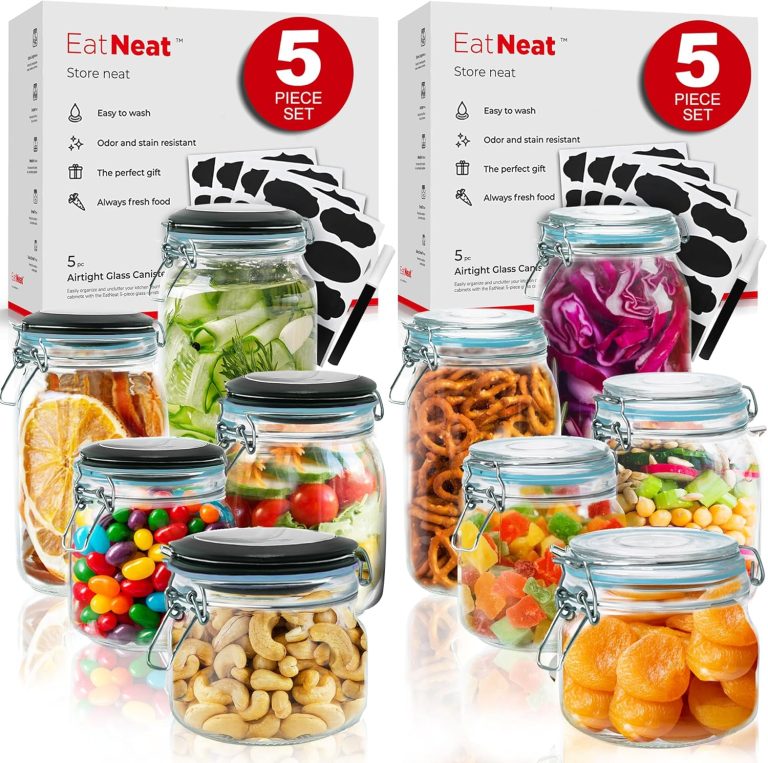
- Premium Borosilicate Glass: Experience the durability and clarity of our borosilicate glass food storage containers. Perfect for everyday use, these containers are a popular choice among consumers looking for long-lasting, high-quality kitchenware
- Airtight Freshness: Keep your meals fresher for longer with our airtight food storage containers. The precision-fit lids ensure an airtight seal, making them ideal for meal prep and preserving leftovers, while maintaining flavor and freshness
- Microwave & Oven Safe Convenience: Simplify your cooking and reheating process with our oven safe and microwave safe glass containers. Their versatile design is perfect for busy lifestyles, allowing for easy transition from freezer to microwave or oven
- Space-Saving Design: Whether you’re storing large meals, batch cooking, or organizing your pantry, our stackable glass containers meet all your storage needs. Their sleek and efficient design allows for easy storage, maximizing space in your cabinets and fridge
- Safe & Trustworthy: Prioritize your health with our BPA-free glass food containers. They provide the assurance of safety and quality for all your kitchen storage needs
Last update on 2026-10-24 / Affiliate links / Images from Amazon Product Advertising API
Recommendations for Safe Food Storage Practices Using Glass or Plastic Containers Effectively
Selecting the right container material for food storage involves more than just aesthetics.
Consider these guidelines for safe food storage using different types of materials effectively:
1. Match Container to Food Type
- Acidic Foods: Avoid prolonged contact with reactive metals. Use glass containers to prevent any leaching that can alter taste or quality.
- Oily or Fatty Foods: Choose glass, as it doesn’t absorb odors and is less likely to retain flavors.
2. Storage Conditions
- Avoid Overstacking: If you use heavy glass jars, ensure that the shelves are sturdy enough to handle the weight. Heavy stacking can lead to breakage and spills.
- Temperature Considerations: Glass containers often withstand higher temperatures. Ensure your plastic containers are labeled microwave-safe before heating.
3. Cleaning and Maintenance
- Odor Retention: Regularly check plastic containers for lingering odors. A thorough wash with vinegar or baking soda can help eliminate unwanted smells.
- Inspect Before Use: Always inspect containers for scratches or damages. Damaged plastics may leach harmful chemicals, while scratched glass can harbor bacteria.
Implementing these recommendations enhances both safety and longevity, allowing you to enjoy your stored food with peace of mind.
Conclusion: Making an Informed Choice Between Glass And Plastic For Your Food Storage Containers Needs
Personal preferences play a significant role when deciding between glass and plastic containers. Consider these aspects:
- Safety: Glass is non-reactive and free from harmful chemicals, making it a safer choice for many.
- Cost: Plastic often offers a lower price point, but consider the long-term investment in glass due to its durability and recyclability.
- Functionality: Think about what works best for your lifestyle. Lightweight plastic may be easier for on-the-go meals, while glass can enhance the aesthetic of your kitchen.
Ultimately, the question remains: Is it better to store food in glass or plastic?
The answer largely depends on individual needs and circumstances.
Evaluate what matters most to you, whether it’s the cost per volume unit stored over time or safety features.
This careful consideration will guide you toward the best choice for your food storage requirements.

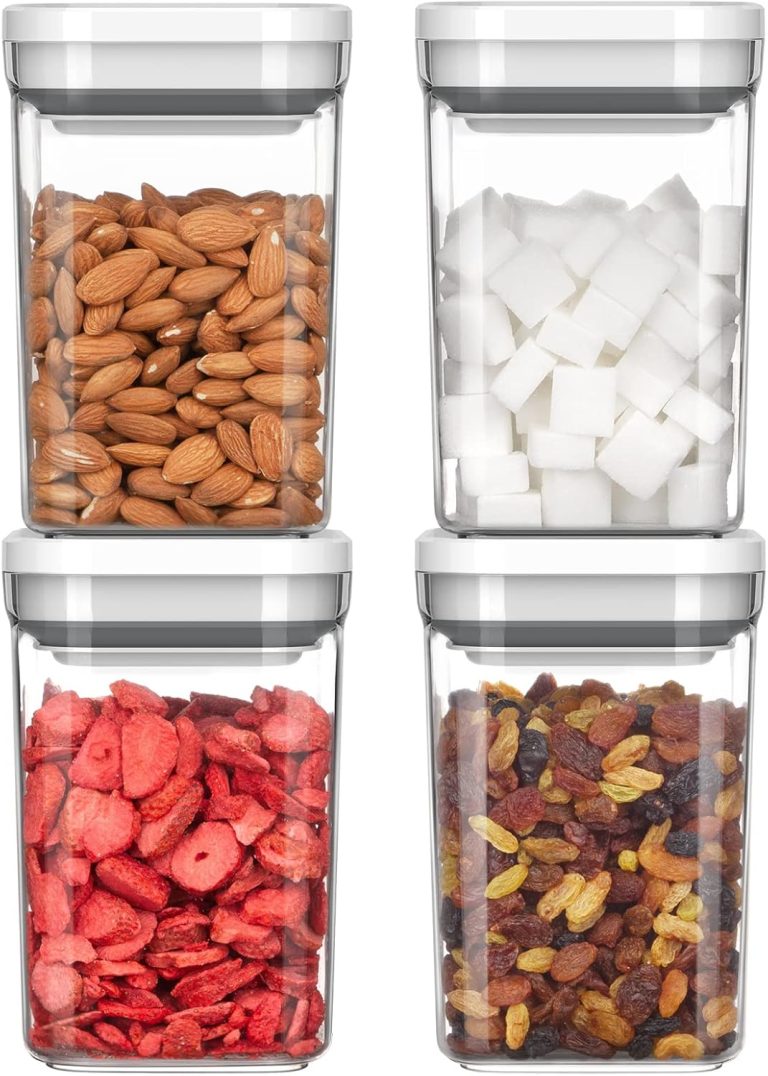
- Superior Airtight Seal: Keep your food fresher for longer with our Glass Food Storage Jars. The specially designed lids create an airtight seal that locks in freshness and prevents moisture from entering, preserving the flavors and textures of your favorite snacks and ingredients.
- Durability You Can Trust: Crafted from high-quality, thick glass, these storage jars are built to withstand the rigors of everyday use. Say goodbye to flimsy containers that crack and shatter easily. Our jars are designed to last, providing a reliable storage solution that you can depend on.
- Elegant and Practical Design: Elevate your kitchen organization with the sleek, square design of our Glass Food Storage Jars. These jars aren’t just functional – they’re also a stylish addition to your countertop or pantry. The clear glass allows you to easily identify the contents, making meal prep and cooking a breeze.
- Versatile Size and Set: This 6-piece set of 37oz square glass jars is the perfect solution for storing a variety of items. From grains and pasta to nuts and spices, these jars offer ample space while maximizing shelf or cabinet space. Keep your kitchen neat and tidy while adding a touch of elegance.
- Easy to Clean and Maintain: Cleaning up is a breeze with our Glass Food Storage Jars. The smooth glass surface is simple to wipe clean, and the lids can be easily removed for thorough cleaning. Plus, the dishwasher-safe design means you can spend less time on cleanup and more time enjoying your culinary creations.
Last update on 2026-10-24 / Affiliate links / Images from Amazon Product Advertising API
Food Storage Containers FAQs
Is it better to store food in glass or plastic?
Both glass and plastic have their own advantages and disadvantages. Glass is non-reactive, durable, and aesthetically pleasing, while plastic is lightweight, cost-effective, and versatile. Your choice should depend on your specific needs and preferences.
What are the health implications of using plastic containers for food storage?
Plastics can contain harmful substances like BPA and phthalates, which may leach into food over time. These chemicals are linked to potential health risks, including autoimmune diseases and increased risk of food poisoning. It is advisable to follow CDC guidelines on safe food storage materials.
How should I store honey: in glass or plastic?
It is recommended to store honey in glass containers to preserve its quality. Glass prevents moisture exposure when sealed with airtight lids, which helps maintain honey’s freshness.
What are the pros and cons of using glass containers for food storage?
Glass containers are non-reactive, durable, temperature-resistant, and environmentally friendly due to their recyclability. However, they can be heavier and more prone to breakage than plastic containers.
What should I consider when preparing meals with glass or plastic containers?
When meal prepping, consider factors such as portion control and the ability to reheat leftovers effectively. Choose containers that fit your cooking batches without waste, ensuring they are suitable for reheating.
How do the environmental impacts of glass and plastic compare?
Glass is often more recyclable than plastic; however, it requires more energy to produce. Plastic has lower recyclability rates but is lighter and requires less energy during production. The choice between them should consider both recyclability and overall environmental sustainability.