Key Points
- Get started by taking inventory of your kitchen space. Make a plan by first pinpointing your messiest zones, measuring your cabinets or drawers, and grouping items by frequency of use. This allows you to identify trouble spots and strategize accordingly.
- Declutter your kitchen by getting rid of expired or unused food items. Donate or recycle gadgets and utensils that you’ve outgrown or will never use again. Make it a routine practice to reassess your storage needs to prevent clutter from creeping back in.
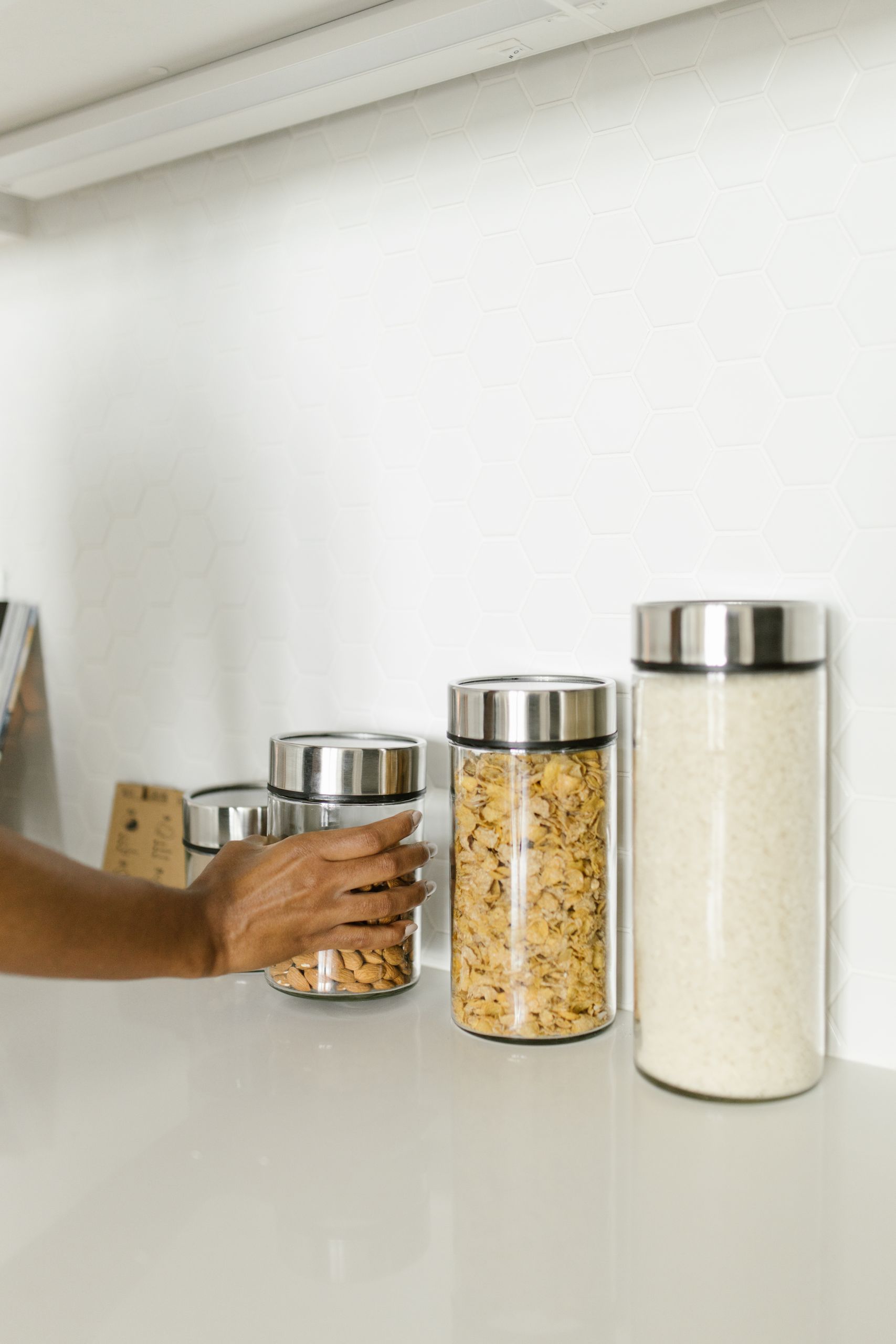
- Choose the correct storage containers. Pick stackable, clear containers to save space and get a peek at your contents from the top. Airtight containers are a lifesaver when it comes to keeping food fresh and tasty for as long as possible.
- Fish with a larger net, and organize by grouping like items together. Put the things you use the most at eye level, and for drawers, utilize dividers to keep utensils and tools organized.
- Make the most of your counter and wall space by adding hooks, racks, or wall-mounted shelves. For example, keep counters clear by storing things you don’t use often out of sight.
- Beyond smart organizing practices, you need to make cleanliness and decluttering habits a priority. First, reevaluate your systems every once in a while, and second, create routines that bring things back to where they belong.
An overcrowded kitchen can make even cooking an intimidating task, but whipping your space into shape doesn’t have to be a chore. If you have too much stuff, you have to be more strategic.
The key is to make the most out of your cabinets, drawers, and countertops.
Simple solutions, such as stackable bins for pantry goods or drawer dividers for utensils, can make incredibly quick work of clutter.
Shelving with adjustable heights or pegboards with wall hooks for hanging mugs can free up valuable space without a major kitchen overhaul.
Thinking about how often you use specific items can guide where to place them, saving time and effort during meal prep.
A clean and organized kitchen is not only more aesthetically pleasing, but it’s also a better environment for cooking and cleaning.
4 steps to organize your chaotic kitchen with too much stuff.
Let’s get your kitchen organized, starting today.
Assess Your Kitchen Space
Knowing what space you have to work with and where there are opportunities for improvement is the first step to kitchen organization. Approaching this process step-by-step can help make an overwhelming project feel much less daunting.
Identify problem areas
Step one is to identify which areas of your kitchen seem most out of control. Are your pantry shelves loaded down with old food? Getting rid of those is an easy way to make room.
Utensils or gadgets you’ve got lying around that you haven’t seen in years? Give them away or recycle them.
So, for instance, that bread maker that’s been sitting on your counter for years could be the perfect addition to someone else’s kitchen.
Once you’ve cleared out the chaos, create zones for what you have left—cooking tools, baking essentials, or storage containers, for example. This approach helps make everything more visible so you can more easily understand what you have and where it should go.
If the entire process feels like too much, tackle one shelf or drawer at a time.
Measure available storage space
Grab a measuring tape and get the dimensions of your cabinets, countertops, or pantry. This will help you choose storage solutions that are the best possible fit.
Stackable containers are great for maximizing vertical space, and clear stacks make it easy to see what’s inside without having to dig.
To prevent spoilage for perishables, airtight containers prevent ingredients from going stale or molding.
Don’t discount DIY solutions—repurposing those old shoeboxes will be easier on your budget and pack a little extra functionality.
Categorize items by usage
Now is the time to begin sorting your kitchen possessions into use frequency categories. Keep your everyday tools, like spatulas, right within arm’s reach for convenience.
Put seasonal items in harder-to-reach spots, devoting roughly 20% of your kitchen to their storage. Use dividers to keep your utensils in order and easy to find.
Add a lazy Susan for your spices and cooking oils to have them all within easy reach. By keeping the things you use most often at eye level, you’ll make time-consuming meal prep shorter on those busy nights.
Declutter Your Kitchen
Hooks are an easy way to make room where it seems impossible.
Putting up hooks under cabinets or on the wall to hold utensils keeps them within reach without taking over your counter space.
Hanging spatulas, ladles, and measuring cups on hooks keeps them within easy reach.
This easy fix opens up kitchen drawers for more utensils. This little touch goes a long way, particularly in kitchens where space is at a premium. Wall-mounted shelves or racks are a great available option too.
These shelves are perfect for storing spices, mason jars, or even smaller, lightweight pots, creating more vertical space. If you’re working with limited space, opt for floating shelves that will work over the stove or sink. These spaces are often wasted.
If you have the right configuration, you can keep items that you access daily easily organized and not feel closed in. Kitchen clearing counters is one of the most important parts of setting up a functional kitchen.
Box up things you hardly ever use—like a bread machine. If you’re not using them right away, keep them in your basement or closet to free up space. Having a clear counter helps your kitchen look less cluttered and chaotic.
It will provide you with greater flexibility to cook and prepare meals! So what’s a helpful rule of thumb? If you don’t use it at least once a month, put it away out of view.
Remove unused or expired items
Decluttering is actually the first step to any organizing project, including your kitchen. Start by tackling your pantry, fridge, and cabinets. Get rid of expired food and everything else you’ve long lost track of!
Be realistic—do you actually use that second collection of mixing bowls that is just collecting dust? Routine maintenance by cleaning and reevaluating your space every few months will keep clutter from creeping back in.
You’ll be surprised at how much more you can get rid of on a second pass. If you have 25 mismatched plastic cups, but only use five, take action. So, when it comes time to declutter, let go of those redundant cups!
Establishing a system where everything has a home makes it easier to return items after use, keeping your space tidy long-term.
Donate or recycle unwanted items
You’ll open up your space when you donate or recycle items you no longer use. It allows another person the chance to enjoy what you’ve outgrown or moved on from.
Kitchen gadgets, pans, or even storage containers that you barely use can be given a second life through friends or a donation.
Having designated containers will help you to maintain an organized space and make things more accessible.
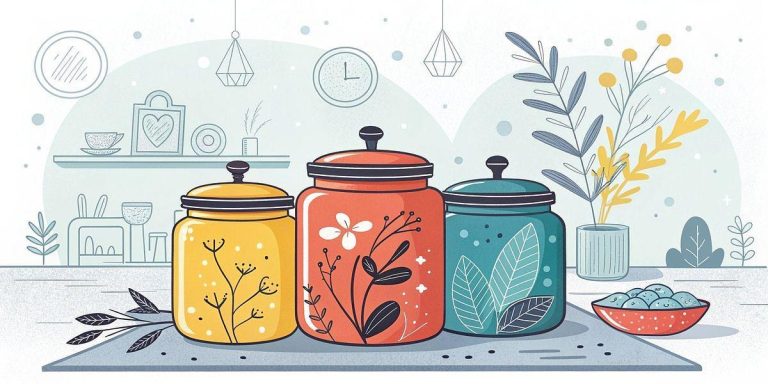
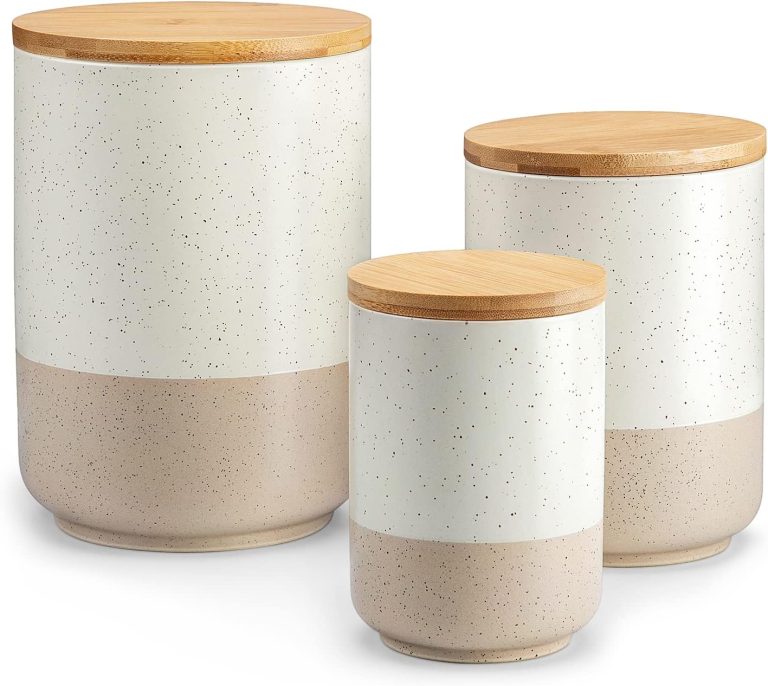
For instance, stackable canisters for flour, sugar, or pasta can save shelf space while keeping food fresher longer.
Square-based containers are the most effective for maximizing storage space. By decluttering, you’ll achieve a kitchen that is stylistically spacious and easily navigable.
Organize remaining items by category
After you’ve cleared the clutter, aim to put things into categories. Identify spaces in your kitchen that you think are cluttered—perhaps the utensil drawer or the cupboard with your mixing bowls.
Consider how frequently you use these things to figure out what needs to be within easy reach. Store your most-used items—dishes, mugs, silverware—in convenient locations.
Put appliances that you don’t use on a weekly basis in higher cabinets or keep them in a cabinet or pantry.
So last but not least, make the most of your space. The entire height of shelves is frequently wasted. To maximize every inch, add shelf risers or organizing bins.
If you’re limited on kitchen space, consider boxing up seasonal items, like pans for holiday baking. Keep them stored outside of your kitchen to maintain a productive kitchen all year!
Choose the Right Storage Containers
The key to a well-organized kitchen lies in knowing your kitchen space. Measure your cabinets and shelving in inches or feet, and shop for the perfect storage solution.
Measure the height, depth, and width of each space. Knowing the dimensions of your items helps prevent you from getting containers that are undersized or oversized.
Having an easy-to-reference list of measurements is super helpful when you’re out shopping or repurposing existing items.
1. Select containers based on size and shape
Begin by sorting items into groups: things you use daily, occasionally, or rarely. For instance, keep your daily forks and spoons where you need them and put special occasion bakeware out of the way.
A visual inventory is a great way to understand what you need and what can stay.
With intentional storage, you’ll organize with purpose.
2. Opt for stackable and space-saving designs
Find stackable containers to utilize vertical space. Check whether any pantry items have expired, or if you have gadgets you aren’t using, and get rid of them.
For example, a checklist helps you make sure you don’t forget anything, giving you more space for the must-haves.
3. Use clear containers for visibility
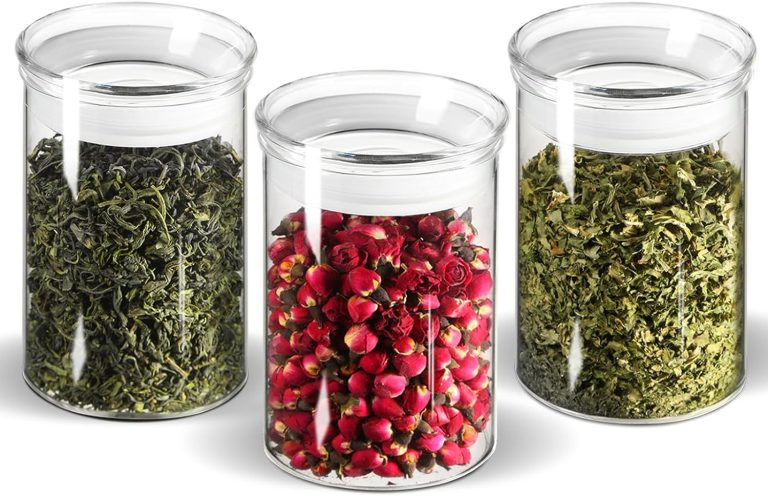
If your goal is to find items at a glance, transparent bins are best. Donate unused but still usable items to local charities. Making regular drop-offs for donations helps your kitchen stay clear of clutter.
4. Invest in airtight containers for perishables
Keep your perishables fresh with airtight containers. Divide baking essentials or spices into clearly marked containers for easy reach. A master category list makes it easier to locate items when you need them.
5. Consider multi-purpose storage solutions
Pick bins that fit the size and shape of your pantry. Find fabric or thrifted clothing and repurpose them into sewn bins and baskets.
Items you only need for a season? Keep them in the garage or attic to open up room.
Organize Kitchen Cabinets and Drawers
Look for Stackable Containers
Stackable containers can be a real lifesaver when it comes to making the most of vertical space in your cabinets.
Most of all, though, they allow you to maximize spaces otherwise prone to waste, such as the space between shelves.
Choose containers with flat, hard lids to ensure stacking is stable and secure, without risk of toppling over. Filling options such as rectangular or square designs can fit tightly next to one another, minimizing empty space.
For example, clear plastic bins with lockable lids make great containers for trail mix or dry pasta. Line up the containers visually by size.
Stack the smaller one on top and the bigger one on the bottom. This way, you’ll still have easy access without the clutter.
Group Similar Items Together
Grouping like items makes cooking and cleaning more efficient and less chaotic. Label containers clearly so you can see what’s inside without opening them.
Labels are key too—go for adhesive labels or erasable markers for on-the-fly labeling. Here’s a quick list of items to store in clear containers:
- Snacks (nuts, granola bars)
- Baking ingredients (flour, sugar)
- Pantry staples (beans, lentils)
Use Dividers for Better Organization
Dividers are a great way to carve out space in your drawers or cupboards. These airtight containers are perfect for dry goods, ensuring that they stay fresh and bug-free.
Here’s a comparison:
| Brand | Price | Features |
|---|---|---|
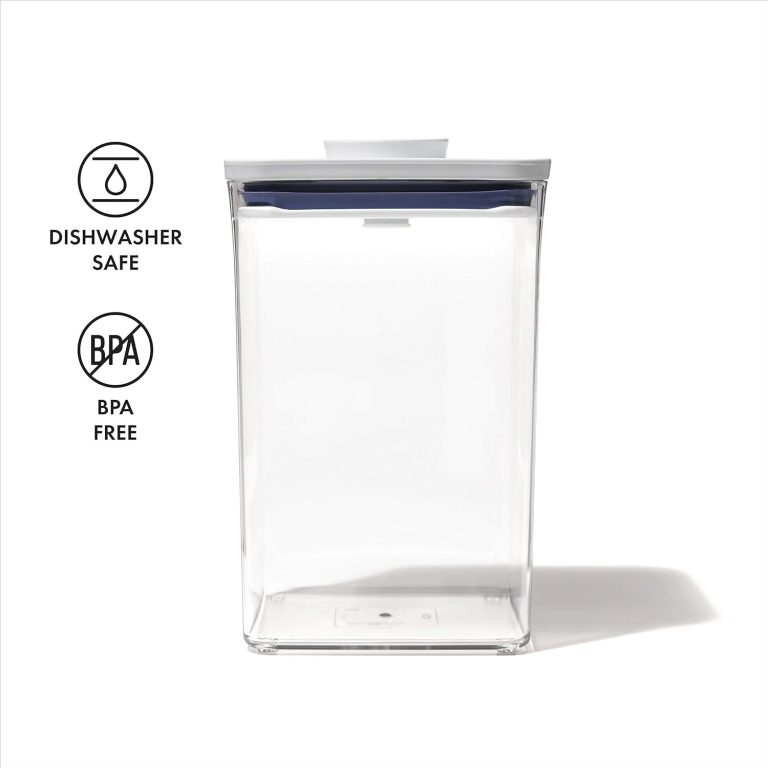
| OXO | $20+ | Secure seals, stackable |
| Rubbermaid | $15+ | Durable, budget-friendly |
| Progressive | $18+ | Modular sizes available |
Store Frequently Used Items at Eye Level
Eye-level storage is accessible and convenient. Multi-purpose containers, such as mixing bowls with lids, help save space.
Objects like these can serve as prep implements as well as storage, keeping your workspace nimble.
Examples include:
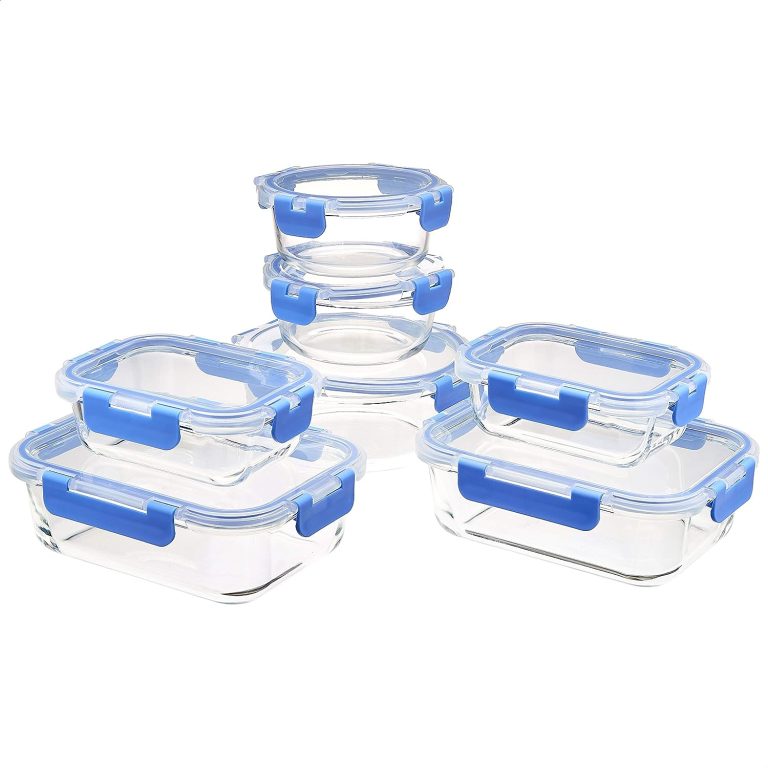
- Glass containers with lids (bake, store, serve)
- Stackable bowls for mixing and leftovers
Maximize Counter and Wall Space
Organizing a kitchen is all about convenience and accessibility. Create clear categories for utensils, pots, and pans. Create your space. For instance, group all your mixing spoons and form a clean stack of pans in cabinets.
This strategy helps minimize overall clutter and makes locating what you need a lot easier.
Designating specific areas for each category further improves safety. Think of a colorful prep area immediately adjacent to your kitchen stove stocked with ingredients, wooden spoons, large pots, and pans.
In the meantime, store your baking tools—measuring cups, mixing bowls—in another place.
Drawer organizers are a second lifesaver. They prevent items such as peelers and can openers from becoming a cluttered free-for-all.
Adjustable dividers can help you customize drawers to your needs even more easily. For example, store forks, knives, and other small kitchen gadgets clutter-free.
Use hooks for hanging utensils
Hooks are an easy and inexpensive way to hang frequently used tools from spatulas to whisks to scissors. Mount them within cabinet doors or on the wall to free up valuable drawer space.
Pretty hooks are another way to save space and add colorful personality to your kitchen.
Items such as ladles, measuring spoons, and oven mitts are great hanging options.
Install wall-mounted shelves or racks
Wall-mounted shelves can accommodate frequently used items like oil, salt, and pepper just an arm’s length away. Consider storing less frequently used appliances on upper shelves.
A wall-mounted mini pantry is perfect for spices and grains, freeing up counter space.
Keep counters clear of unnecessary items
Restrict counter items to necessities such as coffee mugs or dish soap. Cluster like objects—set up a coffee station with a row of mugs, jars of sugar, and creamers—for both practicality and visual appeal.
This method reduces clutter while creating a visually appealing space.
Maintain Your Kitchen Organization
Add Wall-Mounted Shelves and Use Racks
Incorporating wall-mounted shelves is an easy and effective way to make your kitchen feel bigger and store frequently used and needed items in plain sight.
Hang out your best spices and a few of your favorite coffee mugs. You can even put small appliances you use every day on the kitchen counter, such as your coffee grinder!
Shelves with hooks or racks underneath can store utensils or lighter pans.
Floating shelves, corner shelves, and adjustable shelves provide wonderful options for your house.
They’re very easy to customize to suit your special space and style!
Racks work best for pots, pans, or even cookbooks. A decorative pot rack hung above your stove can save cabinet space and make heavy cookware easier to reach.
In the interim, a small rack next to your prep station can store cookbooks, so you’re not mixing up meals mid-cook.
| Wall-Mounted Storage Option | Best For | Benefits |
|---|---|---|
| Floating Shelves | Spices, mugs | Minimalist, space-saving design |
| Corner Shelves | Small items | Maximizes unused corners |
| Shelves with Hooks | Utensils, lightweight pans | Dual-purpose storage and accessibility |
Regularly Clean and Declutter
Cleaning and decluttering on a regular basis will keep your kitchen organized. Start by taking an honest look at your countertops.
Remove everything you don’t use weekly to keep your work area free, since 80% of kitchen prep occurs on the counter.
Create a home base for your most-used tools and gadgets, like your coffee maker and toaster. This will minimize clutter and help you stay more organized.
To keep your counters clear, create a list of things that should never live on your countertops. Add items such as unopened mail and empty containers.
Repurpose old jars or plastic takeout trays as drawer organizers before purchasing new plastic ones.
Sliding bins work well for oils and spices too, keeping them organized but easy to reach. Once you’ve finished washing the dishes, take 10 minutes to do a little deep clean.
Work on one small section at a time, like a drawer or cabinet. It’s the little things, done every day, that add up to something great.
Reevaluate Storage Needs Periodically
Your storage needs are constantly evolving, and regularly reevaluating them is essential to provide the proper solutions. Create a regular decluttering date—once a month or every other month is perfect.
Get your family on board with you!
Give them basic tasks such as cleaning out cupboards or organizing cutlery to help get it done faster.
Consider setting a single-session task to reorganize the junk drawer or go through the pantry and toss old items that you don’t use anymore.
Use a bullet list to make these tasks manageable:
- Empty and wipe down one cabinet or drawer.
- Check for expired pantry items.
- Reorganize spices and oils in sliding bins.
Even old cookbooks can be a boon to inspiration, bringing to life what tools or setups were effective in a simpler time. Keep in mind, organizing is not about being perfect—it’s about being functional.
Establish a System for Putting Items Back
Providing a method for items to be easily returned to their homes will keep your kitchen organized. Check in every three months or so and tweak things that aren’t working right.
For instance, if you’ve purchased new cooking appliances or changed what you eat, adjust your layout to accommodate the new usage.
Create a list of things that need to be re-evaluated, such as storage containers, tools, or pantry arrangement. Perfect should never be the goal. It’s fine if everything isn’t Instagram-ready.
For example, avoid the urge to decant all your snacks into fancy jars—work with what you’ve got and prioritize function. Take 10 minutes while you’re waiting for your tea to steep to make small fixes.
Taking care of them immediately keeps them from accumulating in the future!
Benefits of Using Storage Containers
Incorporating storage containers in your kitchen will help you stay organized in an easy and time-efficient manner.
When each item has its own home, it’s more convenient to create a new routine of putting things away when you’re done.
To take one simple example, a container to store measuring spoons keeps them from getting lost in kitchen drawers. Getting others in the family on the same system is key to keeping things as organized as possible, making organization a collective effort.
A quick bullet list of guidelines, like “return lids to the matching container” or “dedicate a box for donations,” can keep everyone on track.
Improve Accessibility and Efficiency
Storage containers make your workflow more efficient by allowing you to store like items together.
Organize them according to how you cook—store spices close to the stove, keep your favorite utensils handy.
Items you use all the time, like cooking oil, cutting boards, etc, need to be super accessible.
A checklist, such as “keep mixing bowls on the counter” or “store knives in a nearby drawer,” can save time during meal prep.
Preserve Food Freshness and Quality
Appropriate storage ensures that perishables stay fresh for as long as possible. Airtight options keep snacks or leftovers fresh for as long as possible.
When using containers for food storage, label them with dates to monitor freshness and prevent food waste. Here’s a quick comparison:
| Food Type | Best Storage Method | Shelf Life |
|---|---|---|
| Fresh produce | Airtight container | 3–5 days |
| Dry goods | Clear storage bins | 6–12 months |
| Leftovers | Freezer-safe containers | 2–3 months |
Reduce Clutter and Create More Space
Storage containers can even help you establish zones within a drawer, such as a coffee station with mugs and coffee pods. They simplify the decluttering process by separating out donation or seasonal items.
For example, you might store seasonal china or serveware in clearly marked storage boxes to free up kitchen cupboards for everyday items.
To maintain a clutter-free kitchen, try these tips:
- Assign a storage container for items you aren’t using that you’re willing to part with.
- Regularly check for expired or unused items to toss.
- Group similar items, like baking tools, into one container.
Our Conclusion
Overhauling a kitchen overflowed with too much stuff doesn’t have to seem like a daunting task. It does, because small changes can have a huge impact. Decluttering frees up space.
Consider this your gentle reminder to declutter. Choosing storage solutions that complement your aesthetic can help make it all look organized.
Arranging your cabinets, drawers, and counters in a manner that best suits your needs will streamline daily tasks and make cooking that much easier.
Following a system prevents your kitchen from becoming messy in the future.
Time and trouble spent planning ahead pays big dividends down the line.
On top of that, a beautifully organized space is a pleasure to be in and use.
Take it one step at a time, don’t get discouraged, and soon you’ll reap the rewards of a kitchen that helps you, rather than hinders you.
Try it out and see how much easier cooking and cleaning will be!
Frequently Asked Questions
How do I start organizing my kitchen?
Begin by taking stock of your kitchen space. Be aware of what you own, what you use on a daily basis, and what you never, ever, ever reach for. This will help you pinpoint the worst-offender areas and prioritize decluttering.
How can I declutter my kitchen effectively?
Sort items into categories: keep, donate, or toss. Cut out the fiction by being realistic about what you really need to use. If you haven’t used it in at least a year, let it go.
What are the best storage containers for the kitchen?
We love clear, stackable, airtight containers for larger dry goods like flour and sugar. Stackable, labeled containers will maximize your space and help your kitchen run smoothly.
How can I organize small kitchen cabinets?
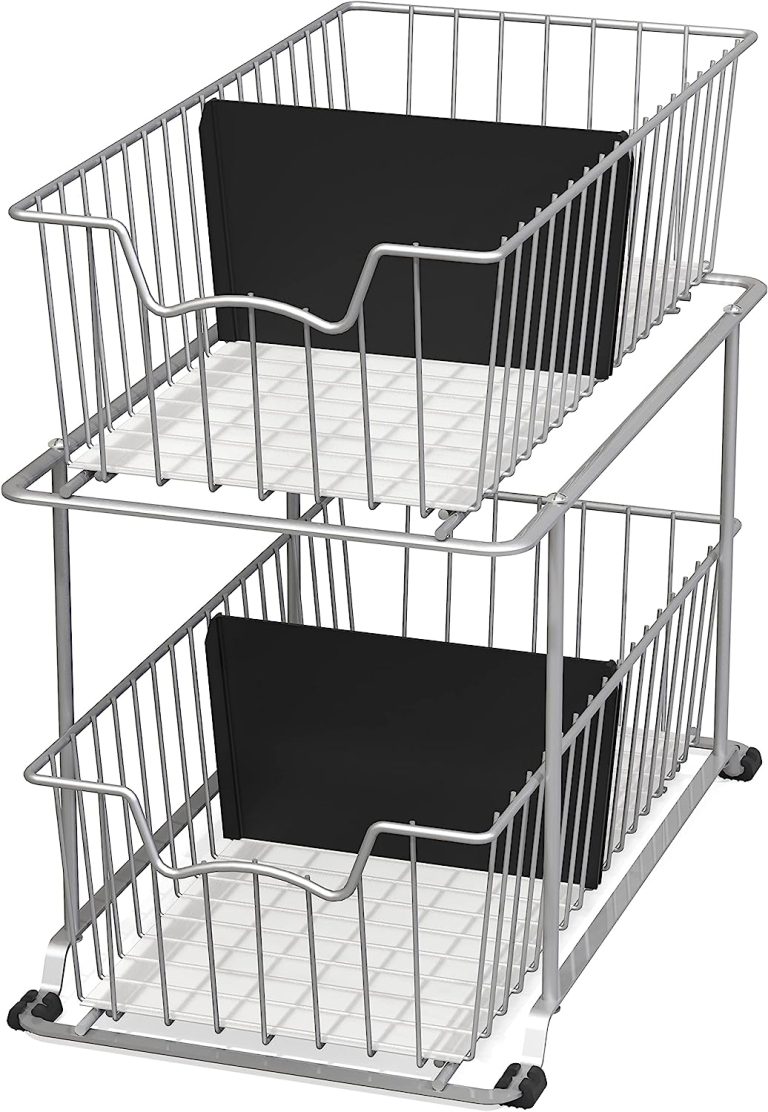
Shelf risers, pull-out cabinet organizers, and stackable bins will help you take advantage of all that valuable vertical space. Organize your kitchen space by grouping similar items, such as spices or canned goods, for convenience.
What’s the best way to maximize counter space?
Only keep the essentials on the counter, such as a coffee maker or a toaster. Wall-mounted racks or magnetic strips can help you hang knives, utensils, and spices, which will clear up counter and drawer space.
How do I maintain my kitchen organization?
Learn to always return things to their proper place. Consider a swift declutter each month to avoid the clutter coming back.
Why are storage containers beneficial for kitchen organization?
Storage containers are a great way to store food while keeping it fresh, avoiding spills, and quickly seeing what you have. They save valuable space by eliminating space-eating packaging and creating a neat, tidy, consistent appearance.
4 Comments